What is Benelux? (And why you should go there)
When I mention my tour of Benelux, people sometimes ask “What is that?”
This is understandable, since Benelux, like Holland, is not on any map, even though most of the people asking the question have been there. Entirely familiar yet quietly unknown, this quirky corner of the world is a relaxed layering of identities. That’s one of the many reasons I love it. Let’s work our way up.
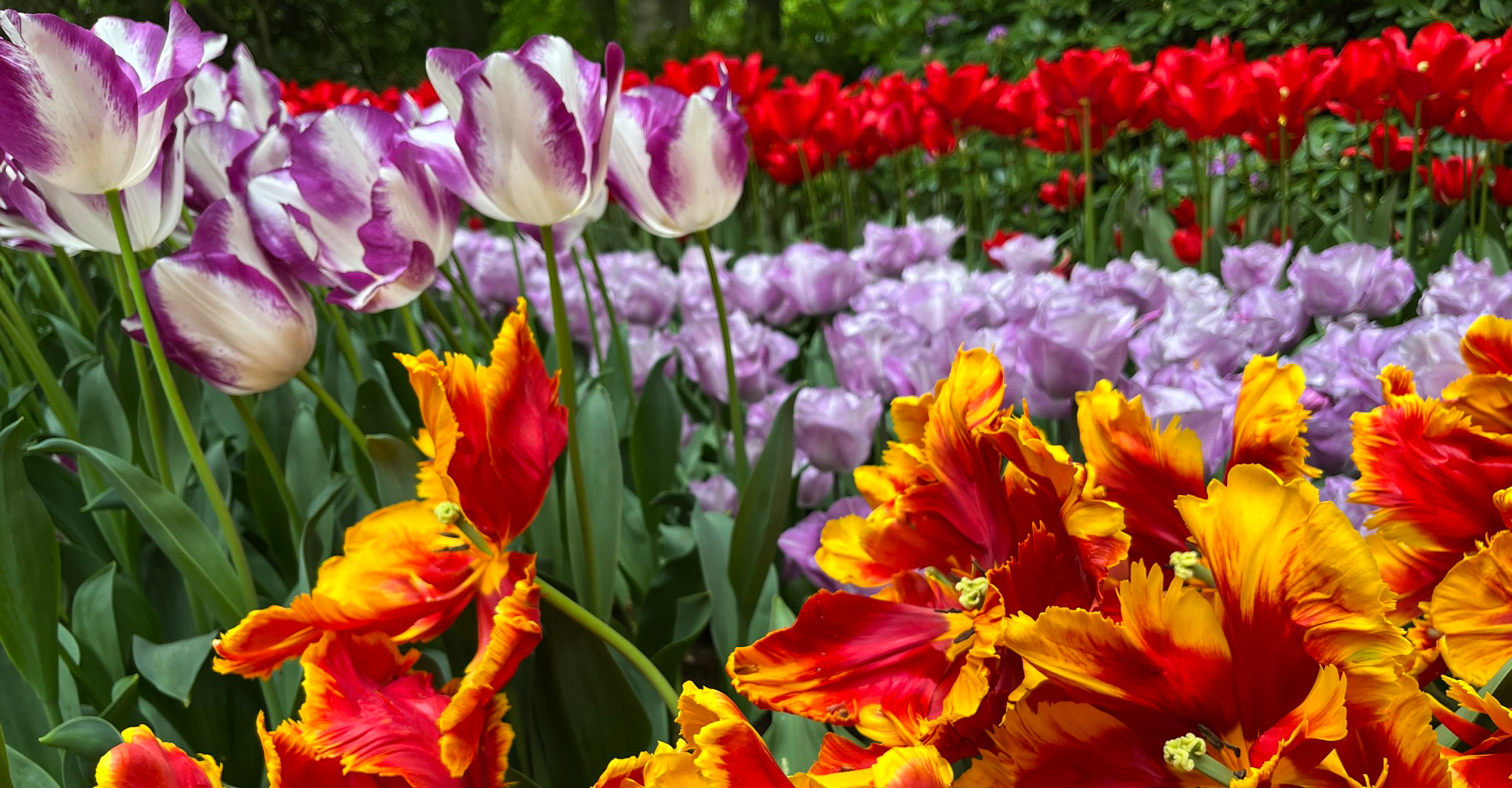
“Holland” is technically just two of the twelve provinces of The Netherlands, but they were disproportionately important in the early days of the nation so their regional name came to stand for the whole country. The Dutch are pretty chill about it. Can you imagine a New Yorker being fine with everyone using “California” and “United States” interchangeably? Or tell someone in Edinburgh they live in England and see what happens.
Belgium has its own complicated swirl of identities, but for now it’s enough that it contributed the first two letters of its name, the Netherlands matched that, and Luxembourg finished strong with three. The resulting portmanteau is our goal:
BE(lgium) + NE(therlands) + LUX(embourg) = Benelux
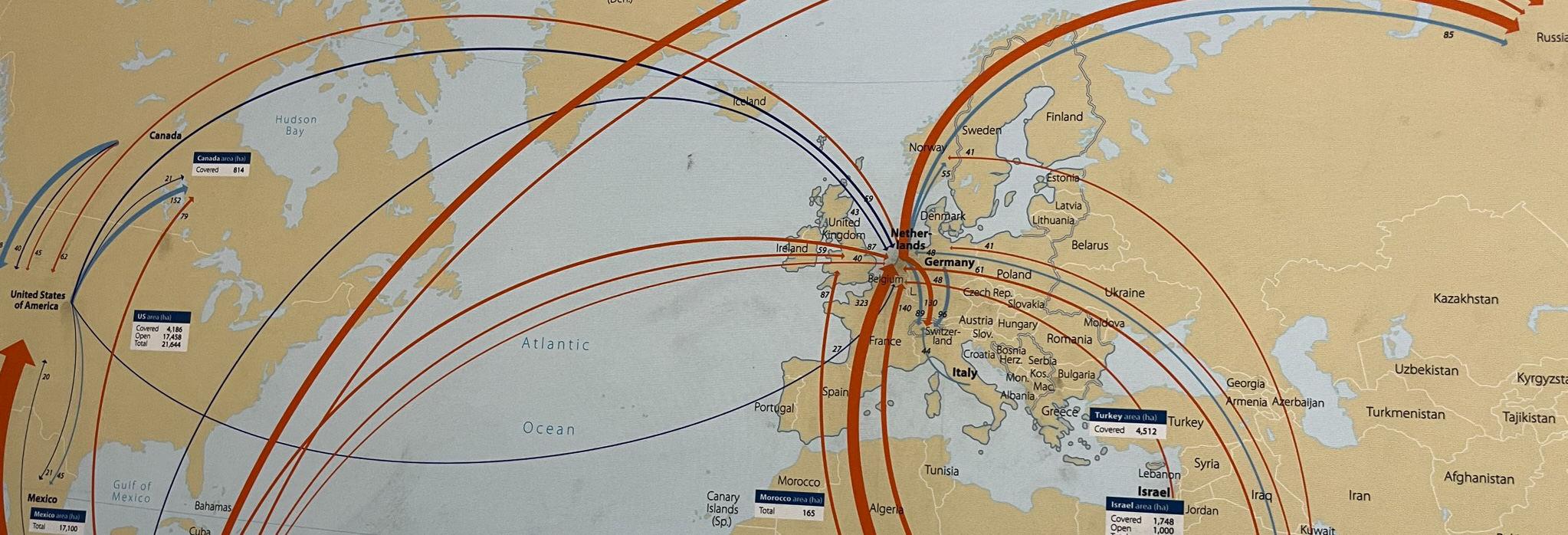
Is it just a trade association? That’s how it started, yes. In 1944 they signed a customs agreement and created the name. Healing from war with multinational pacts seems obvious to us now, in the age of the EU and UN, but if we go back to that pulverized year, it is absolutely astonishing and deeply impressive that these traumatized lands were enacting visionary policy advances even as they struggled to put roofs back over their heads and find food for the table. Their neighbors were arguing about reparations and territory surrender, and the war in the Pacific was still raging, but these quintessential Europeans were forging a peaceful way forward.
Why were they ready to do it before anyone else?
First, they’re small. Little guys know they’re stronger together (no surprise that labor unions come from this part of the world too) and small states have an easier time changing their policies. Second, they were physically, emotionally, and biologically wrecked by the war, all their old complacent confidences broken down to leave fertile soil for new ideas. But the third layer is the most interesting for travelers like me and readers like you. National characters are hard to pin down, but these three countries, long threatened by aggressive neighbors, have a remarkable depth of quiet strength, innovative intelligence, and the courage to not just dream it, but do it.
The Netherlands shows it most clearly. As a starting point: they built an incredible country, on mud, below sea level, right on the North Sea. Every step of that escalates the achievement exponentially. To accomplish this they had to understand and embrace that we are stronger when we work together, sure, but more importantly, you are only doing well if the other person is too, and you are only free when the other is too. This awareness is desperately needed and tragically diminished today, but the Dutch, accustomed to shared dikes, ship crews, and trade as the mechanism of success, understood. True success isn’t won through conquest, it grows from partnership.
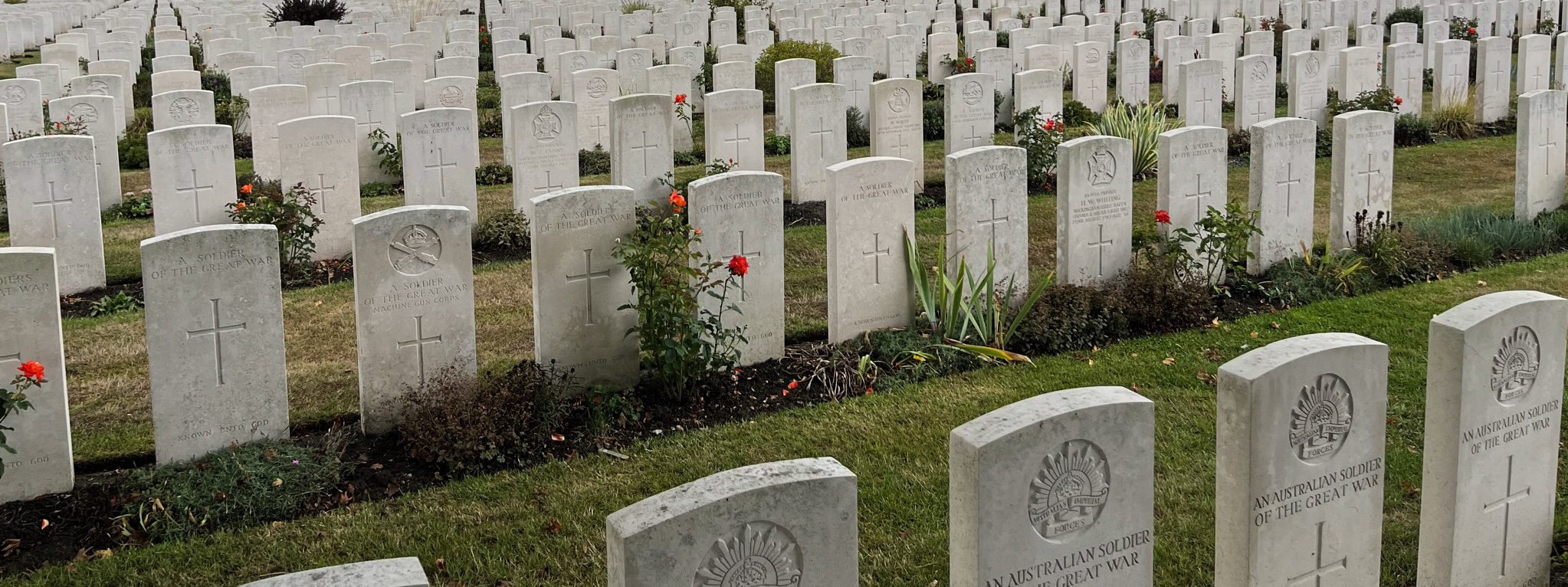
This mindset recognized that going back to nationalism and self-interest could lead to annihilation. Endless European wars had culminated in The War to End All Wars. Except it wasn’t. With shocking speed and tragic predictability, WWI led to the even bigger WWII, fought in their living rooms, and then nuclear weapons arrived. The Low Countries saw that this trajectory led to armageddon without a fundamental change to society. Individual countries, all shaped through war, would have to learn to prioritize the larger wellbeing to find their own. I put that radical paradigm shift in a small set with the Protestant Reformation, the Industrial Revolution, and the Agricultural Revolution. (And would love to add in my lifetime the Workplace Revolution.)
Three small countries securing an era of unprecedented prosperity is swell for them, but so what? Their demonstration of the methods and benefits of international cooperation fostered the rise of the European Union (signed and largely hosted here), which has shepherded the continent through its greatest period of peace and prosperity in human history. It seems inevitable that their example also strengthened the nascent United Nations, which has attempted to spread a better system worldwide (albeit done by humans, not messiahs, so imperfectly). After WWII we could have gone exactly the other direction, into increased mistrust, bravado, and militarization. Instead, the Benelux put out the welcome mat.
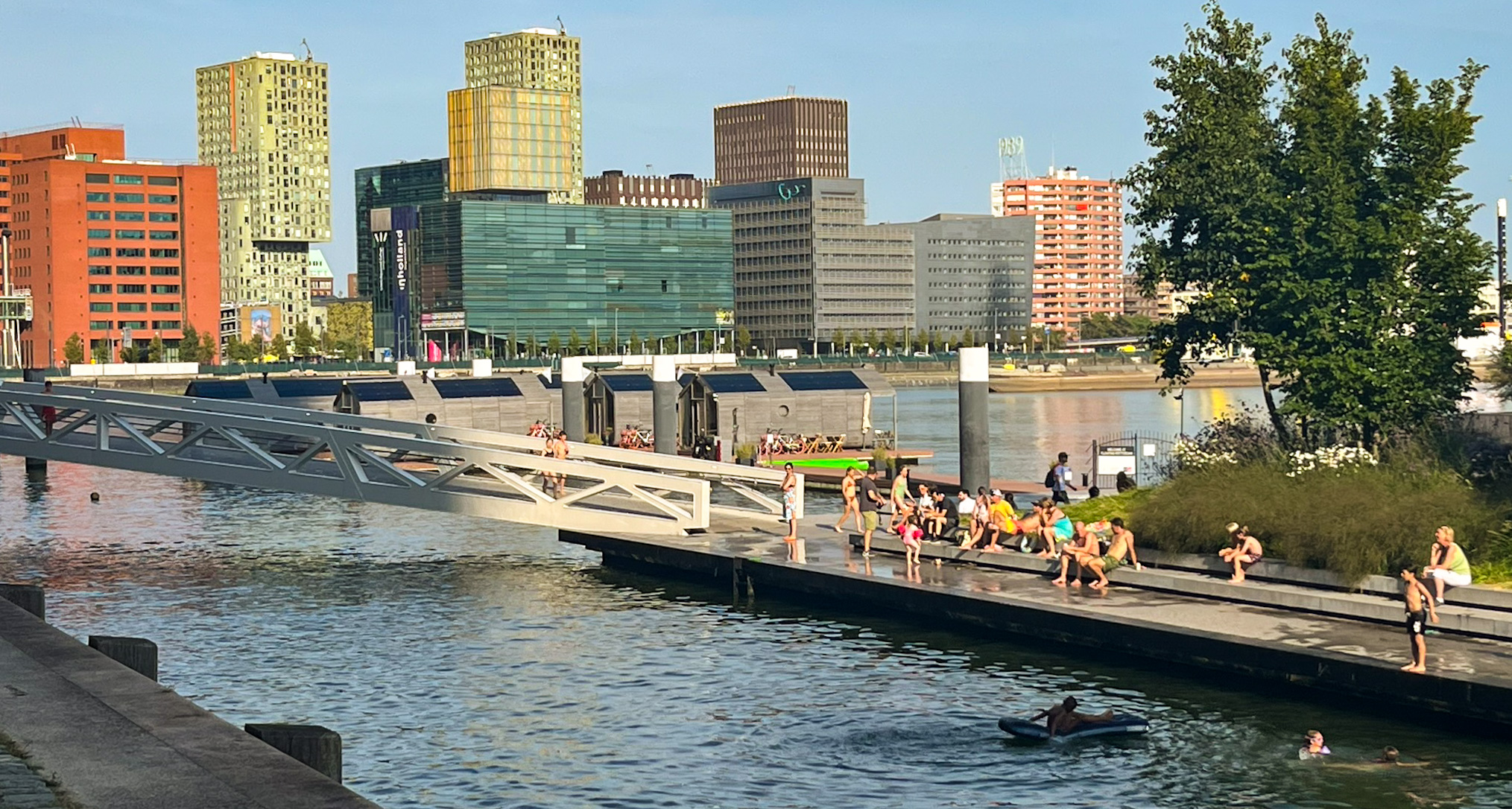
So modern Europe as a cohesive identity and system was inspired, conceived, and born in the Benelux, but what about the smaller union itself, how has it gone for them? Today the “Low Countries” of the Benelux cover just 1.7% of the EU’s area but have 5.6% of the population and 7.9% of the GDP. Large numbers of workers cross their borders to work, and in an inspiring exception to the global norm, the flow generally goes both ways.
Their role in creating the postwar world order makes these three small countries important to visit for any global citizen or fan of Europe, but did they lose themselves in some European macro-identity? With delight and confidence I say no. All three not only preserved their individual cultures, I think they have grown better over the past generations, and now offer an incomparable densities of worthwhile sites rich with local character, history, and tradition.
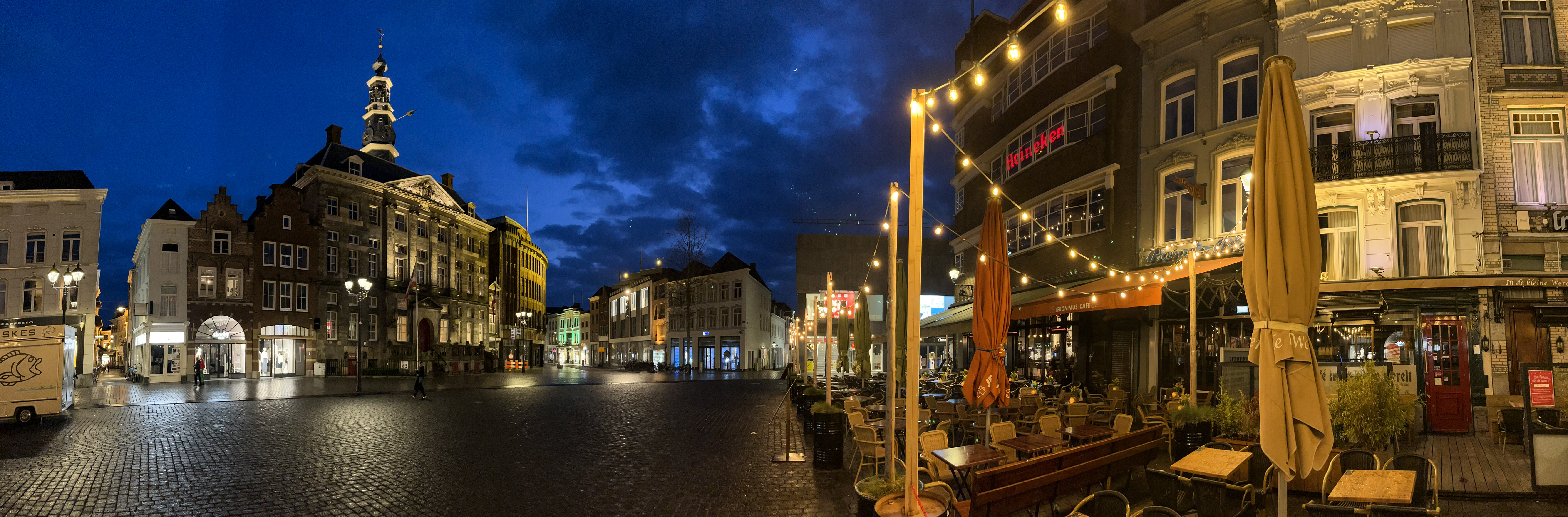
That’s why I built a tour there. That’s why I moved there. That’s why everyone should know what Benelux is. And if you haven’t been, or only to Amsterdam, the Benelux is well worth your travel plans.

Thanks Tim. Enjoyed the article. Hope all is well with you now that you are living in the Netherlands.
LikeLike
Thank you! But oh dear, I just changed the setting so people don’t have to enter their name or email, but the mystery may drive me batty.
LikeLike